Seniorsplit: A Designer's Take on Real-World Stitching
When I first pulled up the Seniorsplit file on my screen, I wasn't looking at it as just another digital asset to add to a folder. As someone who spends hours hooping fabric, threading needles, and troubleshooting tension issues for clients, my immediate reaction was practical: "Where does this actually work?" The design sits comfortably within the School Amp category, suggesting a youthful, academic, or commemorative vibe, but its true value lies in how it translates from a vector path to a tangible machine embroidery design. Whether you are an Etsy seller looking for your next best-seller or a hobbyist making gifts for family, understanding the personality of this file is crucial before you hit start on your machine.
The Visual Personality and First Impressions
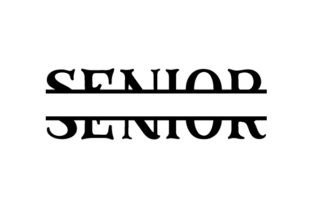
The layout of Seniorsplit offers a clean, modern aesthetic that avoids the clutter often found in overly complex crafts files. Visually, it creates a mood of celebration and transition, which makes it inherently suitable for milestone projects. The lines appear crisp in the preview, suggesting that the digitizer paid attention to stitch direction and flow. For a designer, this is the first green flag. A design that looks good on a monitor doesn't always stitch out well, but the structural integrity visible here hints at a balanced distribution of satin stitch and fill stitch elements.
This visual clarity is essential when working on custom apparel. If you are planning to embroider this onto a textured sweatshirt or a smooth tote bag, the definition of the shapes matters immensely. Seniorsplit seems to strike a balance where it is detailed enough to be interesting but bold enough to remain legible from a distance. This duality is what separates a amateur-looking handmade product from something that feels professionally branded.
Real-World Application: The Graduation Tote Scenario
To truly evaluate Seniorsplit, let's walk through a realistic project scenario. Imagine a client requests a set of personalized tote bags for a high school graduation party. They want something chic, not childish. This is where Seniorsplit shines. Using a sturdy canvas tote, I would hoop the fabric with a heavy-duty cut-away stabilizer to prevent distortion, as totes often have a loose weave.
In this context, the design acts as the focal point. Because the file is available in formats like SVG File, Transparent PNG, EPS, and DXF, I have the flexibility to resize it perfectly for the bag's dimensions without losing quality. If I were using this for a printable mockup to show the client before stitching, the transparent PNG would be invaluable for creating realistic previews. Once stitched, the result should be a crisp, professional tote bag design that the graduate can use for years. The simplicity of the design ensures it doesn't get lost against the canvas texture, maintaining high stitching clarity.
Beyond totes, consider sweatshirt embroidery. A fleece hoodie is a popular item for school spirit or senior year memories. Here, the density of the stitches becomes critical. If Seniorsplit has dense fill areas, it could make the fabric stiff. However, assuming standard digitizing practices for this category, it likely uses open fills or strategic satin columns to keep the garment soft. This attention to comfort directly impacts customer trust; if a shirt feels like cardboard, they won't wear it, and your brand consistency suffers.
Navigating Fabric Challenges and Hoop Limitations
While Seniorsplit is versatile, no design is universal. There are specific situations where you need to proceed with caution. For instance, if you are attempting this on a curved surface like a cap, you must ensure the design fits within the specific hoop size of your cap frame. Designs with long, horizontal spans can sometimes cause registration issues on curved hats if the stabilizer isn't taut enough.
Similarly, think about baby embroidery. Parents love personalized items, but baby clothes are often made from thin, stretchy knits. Before stitching Seniorsplit on a onesie, you must test the stitch density. If the design is too heavy, it will weigh down the delicate fabric and cause puckering. In such cases, using a water-soluble topper is non-negotiable to keep the stitches sitting on top of the fibers rather than sinking in. Also, avoid using this on dark fabrics if the original colorway relies on subtle shading; without checking thread colors and contrast first, the details might vanish into the background.
Another consideration is washability. Products like aprons or kitchen towels undergo frequent laundering. If Seniorsplit includes tiny, intricate corners or very fine running stitch details, these are the first points to fray over time. For items destined for heavy use, I recommend simplifying the underlay or choosing a thicker thread weight if your machine allows, ensuring the finished product stands the test of time.
Commercial Value and Business Strategy
For small shop product creators and creative entrepreneurs, the choice of design assets directly influences sales. Seniorsplit fits well into the "back to school" or "graduation season" marketing cycles. Its placement in the School Amp category makes it an easy tag for SEO on platforms like Etsy. When customers search for holiday embroidery or end-of-year gifts, a clean, recognizable design converts browsers into buyers.
The versatility of the file formats adds to its commercial appeal. Having the EPS and DXF files means you aren't locked into just embroidery. You can use the vector data for heat transfer vinyl (HTV) projects, creating a mixed-media approach for a single product line. This expands your inventory without requiring new designs. Furthermore, the professional look of the stitched output enhances buyer engagement. High-quality photos of a well-executed embroidered patch or garment featuring Seniorsplit can serve as powerful social media content, driving traffic to your store.
Essential Designer Notes for Success
Before committing to a production run, here are my practical recommendations for working with Seniorsplit:
- Test on Scrap Fabric: Always stitch a sample on the exact material you plan to sell. Fabric texture changes how threads lay.
- Check Contrast: Review the design in black and white mockups to ensure the shapes hold up without color reliance.
- Stabilizer Selection: Match your stabilizer to the fabric weight. Stretchy fabrics need cut-away; stable wovens can often use tear-away.
- Verify Licensing: Since this is a digital product, confirm the license terms regarding commercial embroidery. Ensure you are allowed to sell finished physical items or if there are restrictions on reselling the digital file itself.
- Inspect Small Details: Zoom in on the digitized file to check for jump stitches or unnecessary trims that could slow down your machine.
- Thread Choice: Experiment with matte versus rayon threads. Sometimes a matte finish gives a more premium, vintage look suitable for school-themed items.
In conclusion, Seniorsplit represents a solid choice for designers who value clarity and adaptability. It bridges the gap between a fun craft project and a sellable commercial asset. By respecting the limitations of your materials and understanding the design's strengths, you can create personalized gifts and boutique items that feel thoughtful and high-quality. Whether it ends up on a graduation pillow cover or a custom team jersey, this design has the potential to elevate your embroidery project from simple decoration to a cherished keepsake.